Some:when Sail making workshop

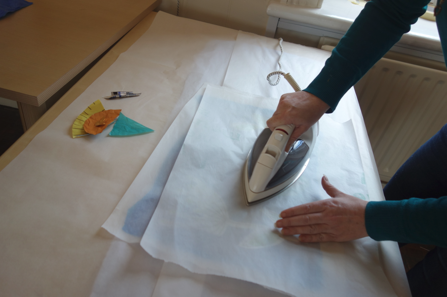
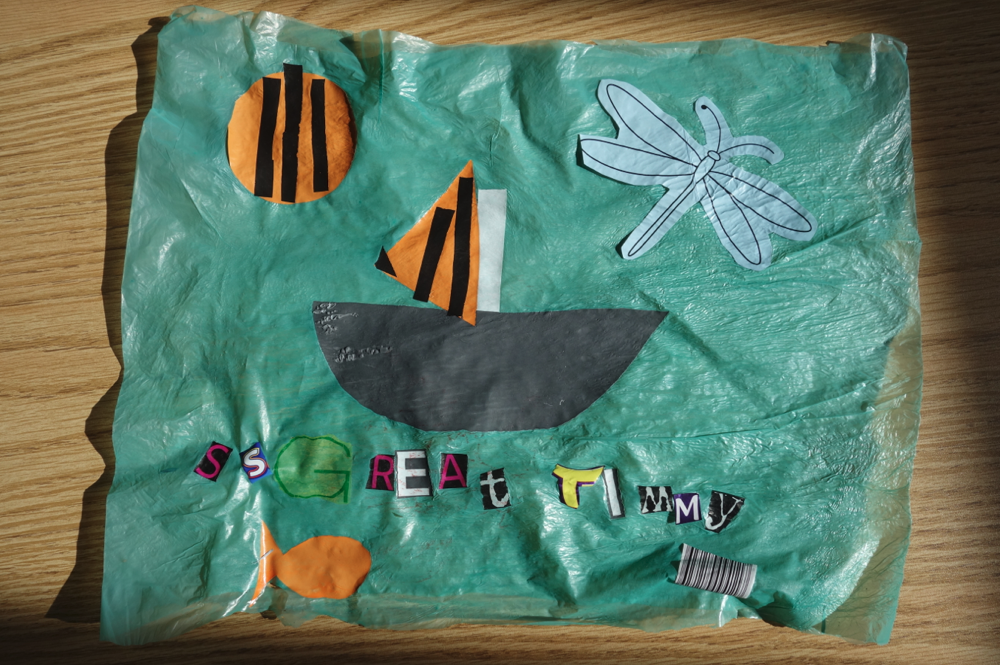
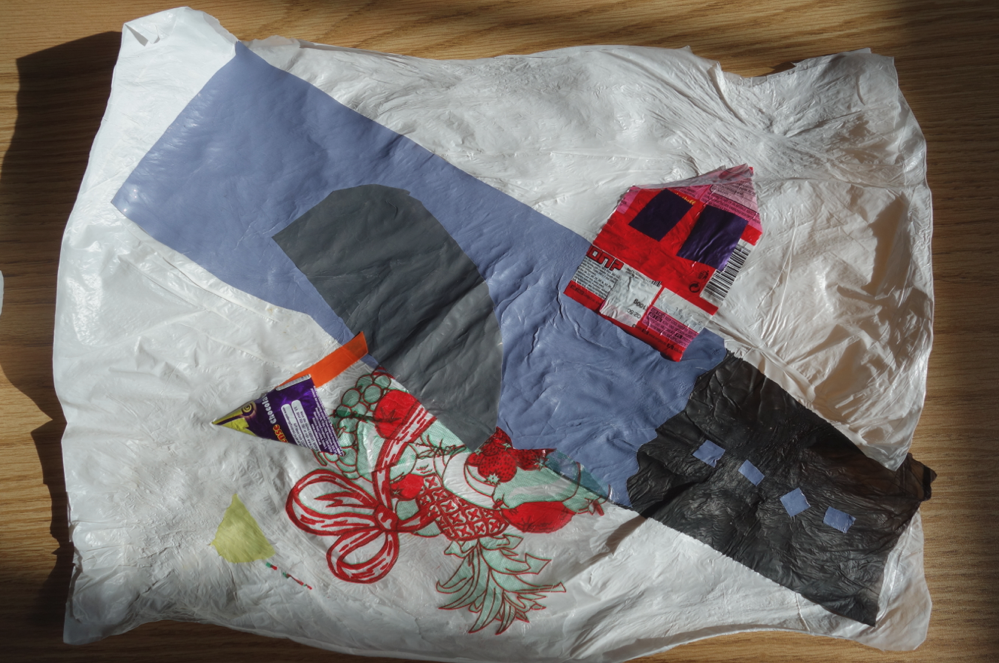
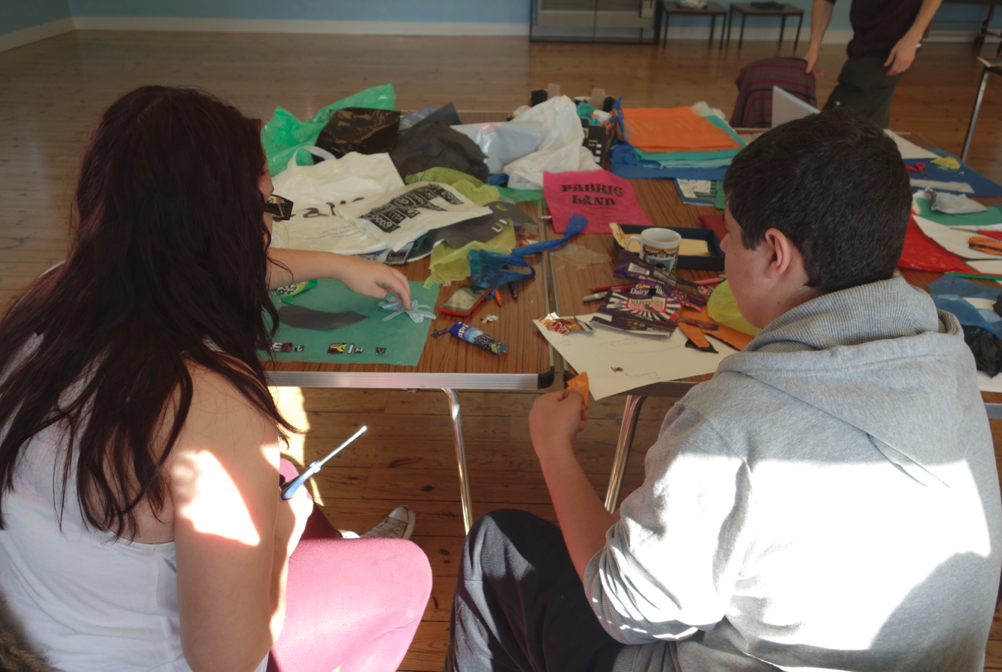
We are pleased to announce the next some:when workshop in which we will be working with recycle materials to transform them into collages. We will be looking at Somerset imaginary and how youth experienced the flooding through this particular method. The compilation of these visual stories will be the sail of our Flatner.

We will keep you updated with future dates which we are working on in these days in which other type of workshops will be taking place, and where we have a closer look to the next step, the boat making.

sail making workshops

Resilience: Just do it?! Governing for resilience in vulnerable places

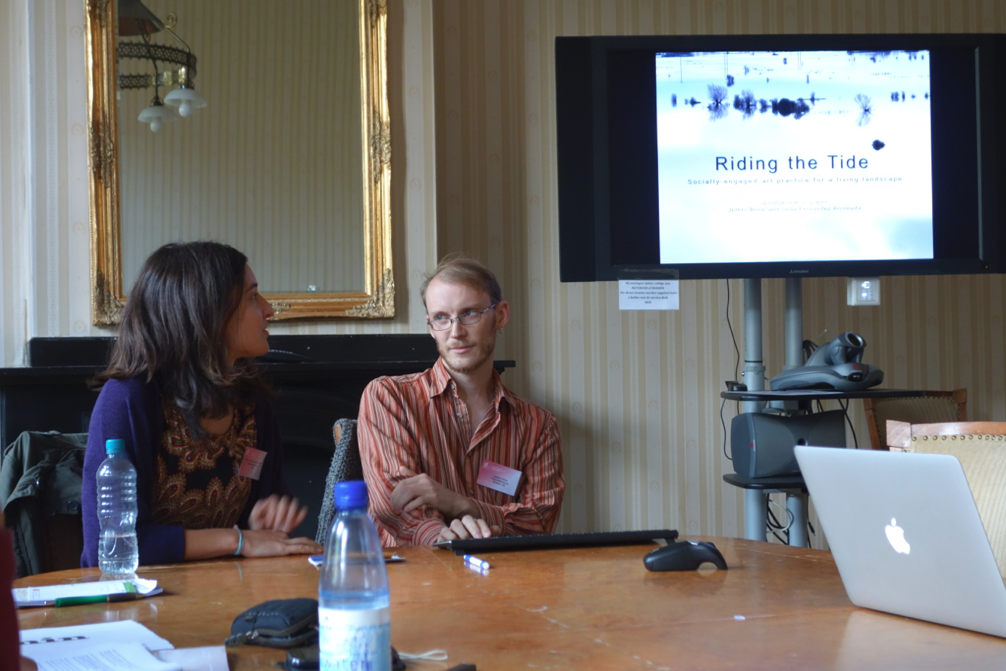
We presented a paper as part of Resilience: Just do it?! Governing for resilience in vulnerable places in Groningen (Netherlands). This paper’s title is “Socially engaged art practice for a living landscape” in which some:when is the core of its content. By collaborating together, Jethro and I have developed a complex approach to art which is applied and develop in some:when, and articulating it in this paper (and presentation) has given us more learnings and challenges. The abstract of this paper is the following:

Abstract

The changing climate and increasingly frequent extreme weather events have brought a new urgency both to hydrological debate and to questions of social preparedness and resilience (Adger, 2000). The current interest in resilience and community engagement merits a new attention to the creative and experimental methods devised by socially-engaged arts practitioners, during almost a century of critical, innovative engagement with (and in) community settings.

We identify two distinct registers at which resilience and socially engaged art intersect. Firstly, creative practice and engagement with the unfamiliar offer new skills and expanded frames of reference, to support increased resourcefulness and adaptability. Secondly, through building meaningful relations across perceived boundaries, artists offer routes to both greater cohesion and critical engagement, thus addressing wider questions of power, equality and visibility, that can be seen as key factors in the resilience of particular communities in responding to extreme weather events.

This paper reviews the current collaborative practices of two socially- and hydrologically- engaged artists, asking how critical frameworks can be applied to support these concerns, in working with flood-affected communities in South West England. Artists Jethro Brice and Seila Fernandez Arconada reflect on some of the historical and contemporary models which inform and guide their practice.

Screen shot 2014-10-12 at 22.06.09

Thanks to the all participants, speakers and in special to the organisers, the Coastal Resilience Research Group at the University of Groningen.


Conference about the River Parret, UK-Dutch exchange.

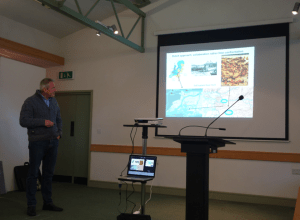
On the Tuesday 7th of October, Somerset Levels and Moors was the context for the first session of the Dutch-UK exchange conference organised by Aquae/ Aqua-δ BV & Fidai PROFLO, Nijmegen & London in which some:when project was presented. Conversations around Somerset flooding are happening and some:when is part of it. This project aims to be part of this current discourse as this project essence is collaborating with other participants and experts both local and international in order to make it happening. The complexities of Somerset Levels and Moors as a landscape, its particular relationship with the tide, the special weather pattern, etc. makes the research of this project more profound and exciting.

During this conference, different perspectives about the flooding were presented opening up new ways of understanding the relationship between water, human being and landscape.

Thanks to all speakers and organisers, specially to Dr. Marnix de Vriend.

Screen shot 2014-10-12 at 21.06.15

Prof. Dr. Toine Smits

Screen shot 2014-10-12 at 21.11.17

Prof. Dr. Steve Pooles

Screen shot 2014-10-12 at 21.07.29

Screen shot 2014-10-12 at 21.09.22

Langport Mummers

Screen shot 2014-10-12 at 21.08.15

Drs. Marnix de Vriend

Some:when workshops

During the last few weeks, Some:when has been the core of our work both by learning for and from it. Some:when workshops during Somerset Arts Weeks was a fascinating experience, thanks to everyone who came.

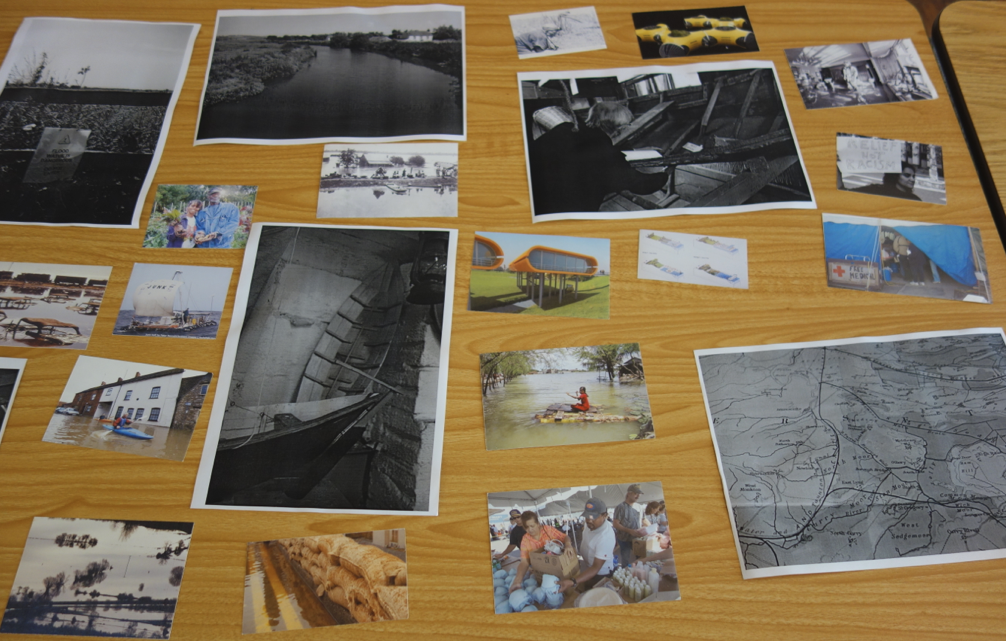
The sail of the Flatner is already started! A number of participants both young and adults looked at their experiences of the flooding by locating themselves in the relationship between human being, land and water in the Somerset Levels and Moors. During the process of converting the plastic bags into the sail patchworks, many ideas and interesting conversations happened. Some ideas about how Somerset Levels and Moors could be in the future or representations from memory, were the focus of the participants, a mix of interesting stories where imagination was the key.

In addition, it was very interesting to hear stories about people related with the Flatner personally in one way or another, when memories are still there and some people still remember this boat being around their lives in the past or even knowing people who still have one. We are still in the track to find more information about it, fascinating.

Thanks in special to the Youth Club and Somerset Art Works for such a great support.

Here there are some images of the workshops.

Screen shot 2014-10-12 at 08.35.25

Screen shot 2014-10-12 at 08.35.37

Screen shot 2014-10-12 at 08.35.52

Screen shot 2014-10-12 at 08.36.03

Screen shot 2014-10-12 at 08.36.12

Screen shot 2014-10-12 at 08.36.21

Screen shot 2014-10-12 at 08.36.42

Screen shot 2014-10-12 at 08.37.05

Screen shot 2014-10-12 at 08.37.16

Screen shot 2014-10-12 at 08.37.25

Screen shot 2014-10-12 at 08.37.38 Screen shot 2014-10-12 at 08.37.55

We will be running some workshops in the short future in order to continue making the sail of the Flatner, keep an eye in our agenda.

Thank you!

Dutch-UK knowledge exchange event on Tuesday 7th Oct

A special three-day event on the Parrett, Thames and Ouse, involving scientists, planners, artists and landscape designers from the Netherlands and UK together with local residents, to exchange knowledge around water management and flooding.

The first day is in Somerset, with an interesting and varied program including talks, presentations, field trips and art events,as well as a lovely meal and plenty of opportunity to chat and get to know each other.

Some:when artists Seila Fernandez Arconada and Jethro Brice will be presenting on the project, as well as other work by Jethro from the series Unruly Waters

Reduced tickets are available for local residents to allow them to attend alongside academic delegates. Click the link below for more information and to book a place.

http://www.aqua-deltamarnix.com/index-uk%20event-program.html

Some more encounters on the Levels…

DSC07539

Last week we made a lightning visit to Langport, where we held a small gathering for some of those interested in getting involved in the project (about which another post will follow!). The following day we met up with the Fidai ProFlo group – an exchange of social and physical scientists, planners and designers from the Netherlands, with artists, historians and local residents affected by floods in Somerset. Rhona Light kindly showed us around her partially-restored house, and shared an insight into the process of flooding and some of the ways this year had been different from the usual annual cycles of wet and dry.Screen shot 2014-09-22 at 13.58.07

DSC07555

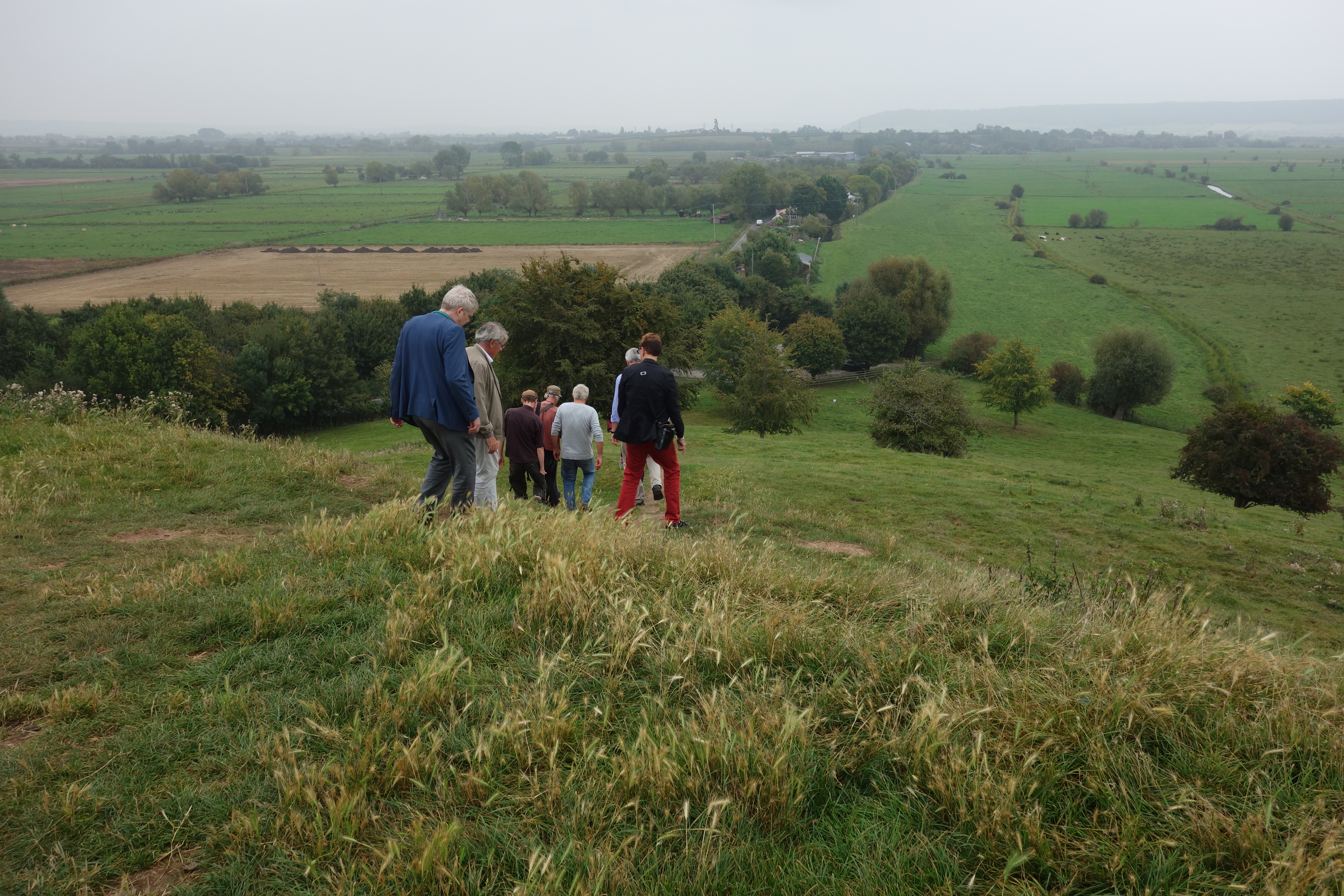
From there we went for lunch at the King Alfred, where Seila and I presented Some:when to the group and some members of the local FLAG group, and discussed possibilities for longer-term collaborations to continue the work Some:when has begun. After a lovely and lively meal we clambered up the steep sides of Burrow Mump to admire the view and listen to a brief presentation from Antony Lyons of NOVA, about his work on deep time perspectives on the Severn Estuary and Somerset Moors and Levels.

DSC07567

Finally, we paid a quick visit to Anna’s incredible tythe barn, one of the sites for October’s conference. It was a swift goodbye as the Dutch contingent had a train to catch, but we had some really interesting discussions and are really looking forward to resuming the conversation at the conference on the 7th: http://www.aqua-deltamarnix.com/index-uk%20event.html

Somerset Heritage Office, research times.

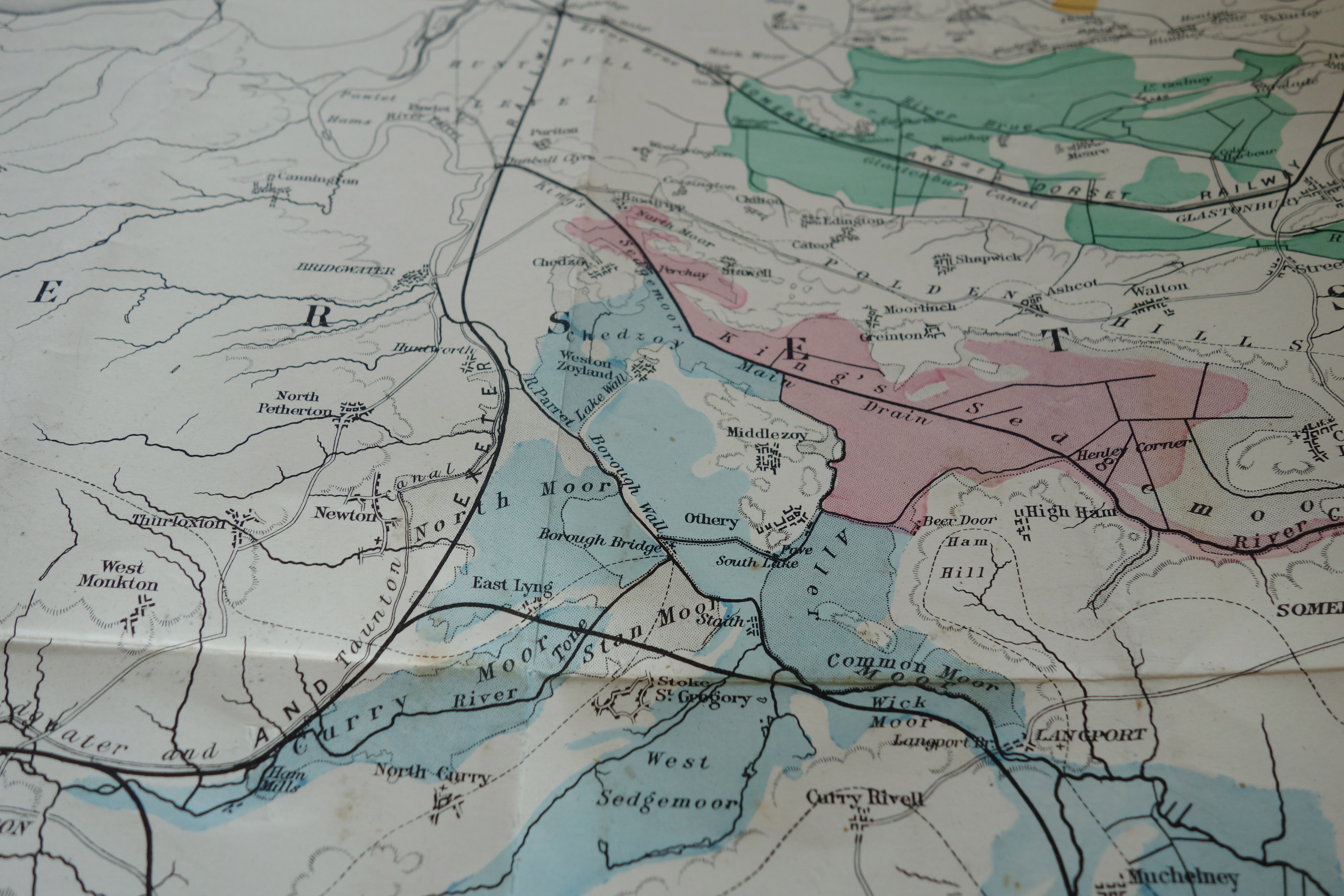
I recently had the pleasure of spending a day in research at the Somerset Heritage Office in Taunton. Traces of the Flatner are everywhere in the history of the Somerset Levels and Moors and a number of books that I found there were fascinating. Flooding is obviously a complex issue in Somerset, however, the more I know about it the more I feel passionate about this project. It is interesting to note the special relationship of Somerset with water by revisiting history, the culture, the traditions, the landscape – all are based on this particular connection. I have found a number of impressive images of the area around Langport and how this community is well knowledgeable about this.

I would like to thank the staff at the Somerset Heritage Office for being such a helpful and passionate team, for helping out with ideas facilitating ways to find information within their archives.

langport post heritage

Langport

langport map

Fluid Tense: Exploring watery pasts and futures of St. Werburghs II

Fluid Tense: exploring watery pasts and futures of St. Werburghs with local artists Jethro Brice and Seila Fernández Arconada

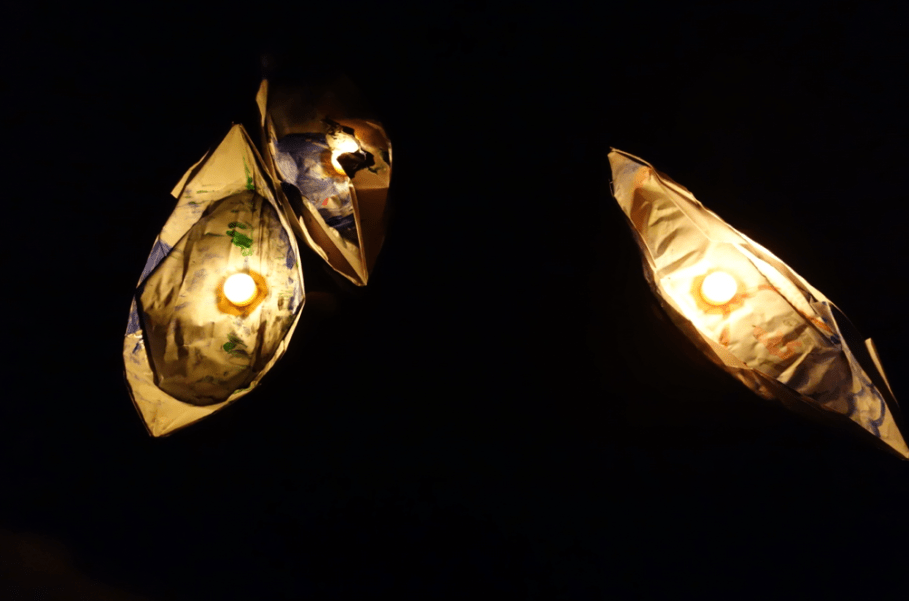
This creative, participatory workshop explores the past, present and future waterscapes of St. Werburghs and the surrounding area, each person contributing a small piece to a surprise outdoor spectacle.

This workshop took place in Bristol (UK) the 16th of September 2014 as part of the project HighWaterLine (www.highwaterline.org).

Thanks to all the participants.

  Screen shot 2014-09-17 at 13.04.41

Screen shot 2014-09-17 at 14.09.51 Screen shot 2014-09-16 at 22.05.48

Screen shot 2014-09-17 at 14.10.07

Screen shot 2014-09-16 at 21.41.29

Screen shot 2014-09-17 at 14.10.21

river boats

Screen shot 2014-09-16 at 21.51.23

Screen shot 2014-09-17 at 14.08.03

Screen shot 2014-09-17 at 13.06.47

Fluid Tense: exploring the watery pasts and futures of St Werburghs

In keeping with the watery themes of Some:when, Bristol’s High Water Line Project is an ambitious attempt to map out the 32 mile edge of Bristol’s flood risk zone to highlight the threats of rising sea levels and accelerated climate change. Originally conceived as a solo performance by artist Eve Mosher, who walked the line in New York shortly before Hurricane Sandy made it a reality, the High Water Line project has become an international pop-up community project bringing together people in diverse cities around the world to think and talk about community responses to climate change. High Water Line Bristol is happening as I type – community groups and local residents from different areas have each taken on sections of the route, passing on the chalk markers from day today in a city-wide orchestrated performance.

hwl01

Though the line is based on Environmental Agency maps, the idea of the project is not so much to make an accurate flood prediction as to generate encounters and conversations. From planning and production through to the actual performance and subsequent events, the process provides a forum for people to meet and talk in ways they might never have considered. These connections and conversations are what make a community strong. As project coordinater Isobel Tarr says: “We know that communities come together after a disaster. We want to see if we can do that before a disaster too”.

DCIM100GOPRO

We both live in Bristol, close to the high water line. On Tuesday we will be marking out Seila’s local stretch of the line. In the evening there is a local history walk looking at St Werburghs’ flood histories of flooding, and following that we will be running a short participatory session at a local independent farm cafe:

This creative, collaborative workshop with local environmental artists Jethro Brice and Seila Fernandez Arconada will explore the past, present and future waterscapes of St Werburghs and the surrounding area. Through storytelling, mapping and collective performance, we will explore what water means in our lives and how can we learn to live with its wilder side.

Water in St Werburghs